
- Register
- /
- Sign In
Desert Hills, AZ Homes For Sale
Rural Living, Acreage & Custom Homes North of Phoenix
Desert Hills offers a different kind of desert lifestyle—one defined by larger lots, custom homes, mountain views and room to spread out. Depending on the property, buyers may find horse facilities, workshops, guest houses and acreage, as well as private wells, shared wells or septic systems.
Each Desert Hills property has its own features and considerations. Before buying, it is important to investigate the home’s water source, septic records, zoning, legal access, easements and usable acreage—not just the information shown in the listing.
Homes for Sale in Desert Hills, Arizona
Explore current homes for sale in and around Desert Hills. Listing features such as acreage, water source, septic systems and horse facilities should be independently verified for each property.
- 1/21 21
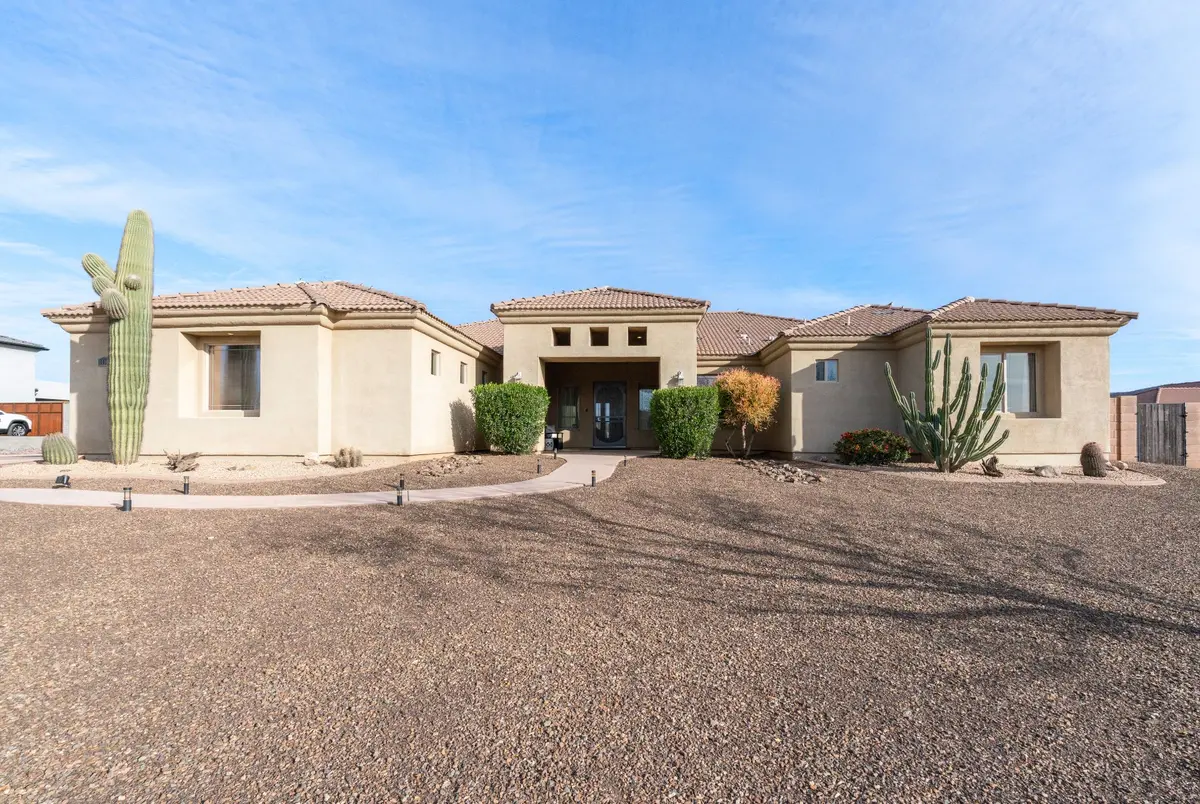
 3 Beds 2 Baths 1,911 SqFt$625,000Pending
803 W MESQUITE Street, Desert Hills, AZ 85086
Listed by Simon Hoffmann of My Home Group Real Estate
Single Family Home

- 1/6 6
 12.2 Acres$10,500,000Active
Private and Shared Wells in Desert Hills
Water service can look different from one Desert Hills property to the next. A home may have its own private well, share a well with neighboring properties or receive water from another provider. Confirming the home’s exact water source is an important part of the buying process.
A shared well may serve just two homes, while others are shared by four or five properties. Many shared-well arrangements designate a well manager or primary contact to communicate with the participating owners about maintenance, repairs and shared expenses.
WHAT TO REVIEW BEFORE BUYING A HOME WITH A WELL
Buyers should carefully review the shared-well agreement to understand which properties participate, where the well is located, who has access and how electricity, maintenance and repair costs are divided. It is also important to understand what happens if the equipment fails or the well requires a major repair. Shared-well agreements are private civil arrangements and are not regulated by the Arizona Department of Water Resources.
When a home has a private well, buyers should review the available registration and drilling records, test the water and have the well system evaluated by qualified professionals.
Questions to Ask About the Well
• Is the well private or shared?
• How many properties use the well?
• Where is the well physically located?
• Is there a well manager or designated contact?
• How are electricity, maintenance and repair costs divided?
• Are registration and drilling records available?
• When was the water last tested?
• What happens when a major repair is needed?
Septic Systems in Desert Hills
Most homes in Desert Hills rely on an onsite septic system rather than a public sewer connection. For buyers, one of the most important steps is identifying the location of both the septic tank and the leach field.
The leach field is the area where treated wastewater is dispersed into the soil, and it should not be built over. Its location can affect plans for a pool, guest house, addition, barn, arena, driveway or other improvement. Buyers should verify the system’s location and required setbacks with qualified professionals before making future plans for the property.
WHAT TO REVIEW BEFORE BUYING A HOME WITH SEPTIC
Buyers should review the septic inspection, available permits, system capacity, pumping records and maintenance history. They should also confirm whether a replacement area has been designated in case the existing leach field needs to be repaired or replaced.
Arizona generally requires an onsite wastewater system to be inspected as part of a property transfer. The inspection and available records can help buyers understand the system’s condition, configuration and ongoing maintenance needs.
Questions to Ask About the Septic System
• Where are the septic tank and leach field located?
• Are permits or installation records available?
• What size home and number of bedrooms was the system designed to support?
• When was the system last inspected and pumped?
• Is there a designated replacement area?
• Could a planned pool, addition, barn or driveway interfere with the system?
• Does the system require specialized or ongoing maintenance?
• Are there signs of previous repairs or drainage problems?
Acreage, Animals and Recreational Equipment in Desert Hills
Larger lots are one of the features that draw buyers to Desert Hills. Depending on the property, owners may have room for horses, other animals, barns, trailers, boats, RVs and recreational equipment.
Desert Hills also offers convenient access to Lake Pleasant by way of Carefree Highway, making it worth considering for boat owners who want to live within driving distance of the lake. However, buyers should confirm that a property’s zoning and recorded restrictions allow the type of animals, equipment or storage they have in mind.
Some Desert Hills properties have no HOA, while others are governed by an association or separate recorded restrictions. Even an HOA with relatively few rules may restrict certain animals, outbuildings, trailers, boats or RV storage.
WHAT MAKES ACREAGE USABLE?
The advertised lot size represents the entire parcel, but not necessarily the amount of land available for a buyer’s intended use. Washes, floodplain conditions, utility easements, building setbacks and septic-system locations can affect plans for a barn, arena, pool, workshop or equipment-storage area.
Before purchasing, buyers should verify the parcel’s zoning, applicable restrictions and physical conditions based on how they intend to use the property.
Questions to Ask About an Acreage Property
• What is the parcel’s current zoning?
• Which animals—and how many—are permitted?
• Is there an HOA or a separate set of recorded restrictions?
• Are boats, RVs, trailers and recreational equipment allowed?
• Are there screening or storage-location requirements?
• How much of the acreage is usable for the buyer’s plans?
• Are there washes, floodplain areas or drainage concerns?
• Where are the easements and required setbacks?
• Were the existing barns, arenas and outbuildings permitted?
• Is there practical access for trailers, deliveries and equipment?
Custom Homes and Rare Basements in Desert Hills
Custom construction is part of what makes Desert Hills real estate distinctive. Buyers may encounter unique floor plans, guest houses, workshops, detached garages, additions and converted spaces that are less common in traditional subdivisions.
Basements are uncommon in the Phoenix area, but they can be found in Desert Hills. The Sakala Group previously sold a Desert Hills home with a basement—an example of the unexpected features buyers may discover in this custom-home market.
What to Review When Buying a Custom Home
With a custom property, buyers should compare the home and its additional structures with available county records. Permits and supporting documentation may be especially important for additions, guest houses, workshops, barns, detached garages and converted living spaces.
When a home has a basement, qualified professionals can help evaluate drainage, waterproofing, ventilation and signs of previous moisture intrusion. Buyers should also ask whether the basement was included in the original construction or added later.
Questions to Ask About a Custom Home
• Are plans and permits available for additions or detached structures?
• Does the property’s current configuration match available county records?
• Is documentation available for guest quarters or converted living spaces?
• How are utilities supplied to workshops and outbuildings?
• Was the basement part of the original construction?
• Is there evidence of past moisture or drainage issues?
• Are maintenance or repair records available for unusual features?
Private Roads, Easements and Drainage in Desert Hills
Buyers may encounter public roads, private roads and unpaved access throughout Desert Hills. Before purchasing, it is important to confirm how the property is legally accessed, who maintains the road and how repair or grading expenses are shared.
Easements may provide access for neighboring properties, utilities or drainage. Buyers should review the recorded documents and understand whether an easement affects where they can add fencing, a driveway, barn, pool or other improvement.
Desert washes and monsoon drainage also deserve close attention. A property can be affected by runoff or erosion even when the home itself is not within a mapped floodplain. Buyers should review available maps, disclosures and property conditions with the appropriate professionals.
Questions to Ask About Access and Drainage
• Is the road public, private or privately maintained?
• Is there a recorded road-maintenance agreement?
• Who pays for grading, repairs and ongoing maintenance?
• Does the property have documented legal access?
• Are there access, utility or drainage easements?
• Could an easement affect future fencing or construction?
• Is any part of the parcel within a mapped floodplain?
• Are there natural washes or visible drainage paths?
• Have previous drainage, runoff or erosion issues been disclosed?
• Could drainage conditions affect future improvements?
What We’ve Learned Selling in Desert Hills
LOCAL PERSPECTIVE FROM THE SAKALA GROUP
Buying in Desert Hills often requires looking beyond the price, square footage and features shown in the listing. Two nearby homes may have completely different water sources, shared-well arrangements, septic layouts, road access or recorded restrictions.
The lot size does not always tell the full story, either. Washes, easements, setbacks and the location of the septic leach field can affect how much of the property works for a buyer’s plans. Desert Hills custom homes can also include unexpected features—such as the rare basement home our team previously sold.
That is why we help buyers identify the right questions early, review the available property information and bring in qualified professionals when specialized guidance is needed.
Frequently Asked Questions About Desert Hills Real Estate
Do Desert Hills homes have well water?
Water service varies by property. Some Desert Hills homes have a private well, while others share a well with neighboring properties or receive water from another provider. Buyers should confirm the home’s exact water source and review the available records, equipment and agreements.
How many homes can use a shared well?
A shared well may serve two homes, while some Desert Hills agreements include four or five properties. The number varies by agreement. Buyers should confirm which properties participate, how expenses are divided, who can access the well and whether a well manager or designated contact coordinates communication.
Do homes in Desert Hills have septic systems?
In our team’s experience, most Desert Hills homes rely on an onsite septic system rather than public sewer service. Buyers should identify the locations of the septic tank and leach field, review available permits and inspection records, and understand how the system could affect a future pool, addition, barn or other improvement.
Can you keep horses or other animals in Desert Hills?
Some Desert Hills properties may accommodate horses or other animals, but acreage alone does not determine what is permitted. Buyers should verify the parcel’s zoning, animal allowances, recorded restrictions, HOA rules and usable land based on their intended use.
Are there basement homes in Desert Hills?
Yes, although basements are uncommon in the Phoenix area. The Sakala Group previously sold a Desert Hills home with a basement—one example of the distinctive features buyers may find among the area’s custom homes.
What should buyers investigate when purchasing acreage in Desert Hills?
Buyers should investigate the property’s water source, septic layout, zoning, legal access, road-maintenance responsibilities, easements, washes, floodplain conditions, setbacks and usable acreage. The property should be evaluated according to how the buyer intends to use the land.
Is Desert Hills part of Phoenix?
No. Desert Hills is an unincorporated community in Maricopa County north of Phoenix. Some properties use Phoenix mailing addresses, but the mailing address does not necessarily determine the property’s jurisdiction, utilities or services. Buyers should verify those details for the individual address.